For teenage girls, this stage of life is all about discovery themselves. Their growing independence allows them to make personal choices and decide what it is they do with their lives. During early adolescence, girls are more likely to seek out novel experiences and take risks as they figure out who they are and what they enjoy. These experiences range from intermate relationships, partying, and new friendships; all of which strain their focus from previous activities and hobbies like squash. As a coach this can be challenging to accept, and it is important that you remain open and clear about your values and the expectations of your players but also understand why these factors are happening.

WHY ARE TEENAGE GIRLS NOT ENGAGING IN SQUASH?
- Perception: There is a deep rooted idea that girls need to be sporty in order to play sport. Only 4 in 10 girls define themselves as sporty compared to more than 6 out of 10 boys. Feeling like she’s not good enough and lack self-worth is the biggest factor to female drop off with 80% of girls feeling they do not belong in sport.
- Interests: Some girls loved squash when they were younger but have fallen out of love with it due to their perceived image or it becoming too competitive. Fear of missing out on time with friends is another factor to why girls stop partaking in sport.
- Body Image & Puberty: 78% say they avoid sport when they are on their period while 73% don’t like others watching them take part in activity. Lack of confidence over body image and appearance is enough to make 8 out of 10 girls avoid sport.
HOW CAN SQUASH BETTER MEET GIRLS NEEDS?
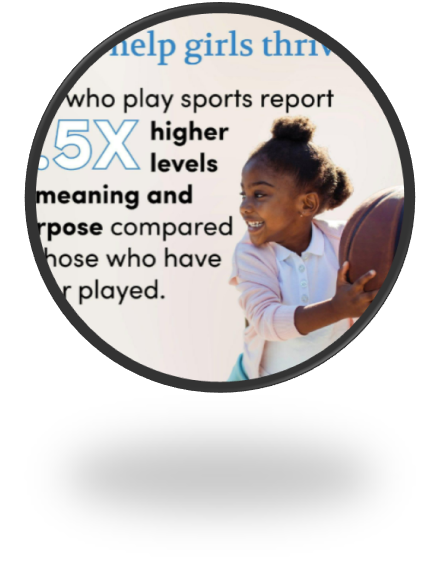
REFRAME:
- Reframe the big and small achievements on the court as moments of pride and personal success, not winning and losing. We should celebrate behaviors that show growth and commitment and not focus it all on results.
- Rather than pressuring your players to pursue one sport/activity/coach, encouraging them to take part in different activities removes the pressure of commitment and can prevent boredom. The more you reframe squash as a sport which opens different avenues, the more likely girls will continue playing!
REDEFINE:
Redefine their experience to be broader and better. Language is powerful- use it to bring women together and make them feel empowered. At this stage in development, experiencing camaraderie is essential to developing a sense of belonging and self-worth.
REINFORCE:
Girls stop playing squash when the pressures of school and social norms intensifies because it is not considered as time well spent. Coaches should remind their teenage players that partaking in squash could be the key to coping and managing with adversities that life throws at them.