This module is intended to give all coaches who work with female athletes a practical and relevant understanding of female physiology and why females need to be coached differently to males.
- Puberty is a time of great change and upheaval for girls. From as early as age 9 or 10 years, girls must manage the physical, psychological, and emotional changes that puberty brings, and this happens over several years and can present significant barriers to sport.
- There is a distinct lack of support and advice, particularly in relation to sport and exercise and girls often feel unprepared and vulnerable. One bad experience can have a long-lasting effect on confidence.
- 64% of girls will have quit sports by the age of finishing puberty. Many are embarrassed of their body changing so avoid sports at all costs. Others may have had a bad experience during their period when playing and some may have felt judged by their coach or another player for the way they were feeling.
- Early experiences of sport can have a powerful and long-lasting influence on how active girls will be in adulthood. It is the coach’s responsibility to tackle these barriers and reframe sport to broaden its appeal for all teenage girls so that it can have a meaningful role in their lives.
WHAT TO DO:
- Coaches training young girls will notice that some will mature earlier than others. If you notice your player is feeling down or struggling to address an issue, what is best in those situations is to ease off any pressure you may be placing on them and create a calming environment to make them feel as comfortable as possible.
- Some women and girls may feel comfortable addressing this issue right away and others may not. Either way coaches should adapt their lesson to how the player is feeling by checking in with them more than usual.
- These changes may be adding more water breaks, decreasing the intensity of the session, or avoiding any competitive play.
This page was written in courtesy of Women In Sport
Women In Sport. (2019, April). Reframing Sport for Teenage Girls: Building Strong Foundations for Their Futures.
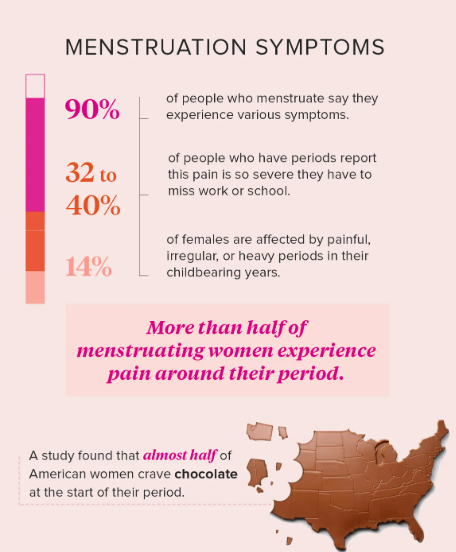
When girls get to around the age of 9, they begin a four-year process called puberty. This involves an increase in the primary hormones, estrogen, and progesterone. Boys also go through the process of puberty, but it tends to happen a bit later, and the main hormone that increases and drives this process is testosterone. Girls will also start to menstruate during puberty and may experience several physical and emotional changes as a result. It is important to appreciate that it can take a while for girls to adjust to these and unfortunately, they may be more likely to withdraw from sport and physical activity during this time.
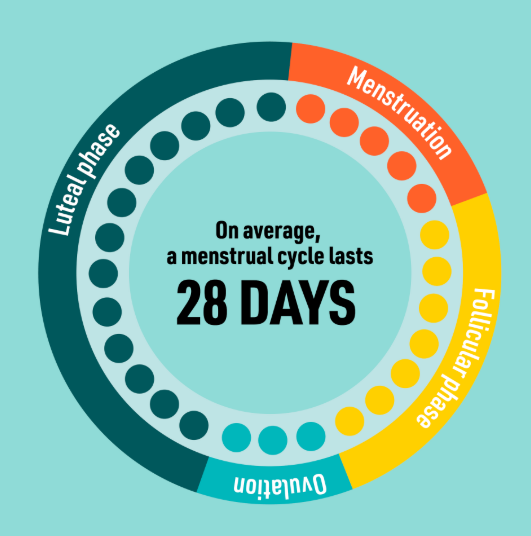
Throughout the menstrual cycle, hormones are constantly changing, as can be seen in the image. This means that on any one day, a girl’s body is in a different physiological and psychological state, so things such as mood, appetite, emotion, and rationale are likely to vary. During the luteal phase, women are likely to experience mood changes, change in appetite, and bloating.
WHY SHOULD WOMEN & GIRLS STAY ACTIVE DURING THEIR PERIOD?
ENDORPHINS: When you exercise, your body releases a chemical called endorphins. They trigger a positive feeling in the body and boost self-esteem. It also acts as analgesic, which means they diminish the perception of pain.
REDUCE STRESS LEVELS: Exercise can provide stress relief for your body while imitating effects of stress, such as the flight or fight response, and helping your body and its systems practice working together through those effects. This can also lead to positive effects in your body — including your cardiovascular, digestive, and immune systems — by helping protect your body from harmful effects of stress.
This page was written in courtesy of Women In Sport
Understanding puberty and menstruation and its impact on girls and Sport. Women In Sport. (2019, July 29).