Issues of bullying arise when a coach enforces low self-esteem, fear, anxiety, or depression onto their players. Coaches may not know that their behaviors are a form of abuse, so it is important to be educated on the different types.
TYPES OF ABUSE:
- VERBAL ABUSE: This is the most common form of bulling for women and girls in sport. Anything from name calling, swearing, to comments meant to demean a person’s integrity are unacceptable despite how close a coach is to a person.
- PSYCHOLOGICAL ABUSE: When coaches set unrealistic goals for their players or use threats as a way for someone to ‘try harder’. Coaches should only ever encourage not force!
TAKING ACTION
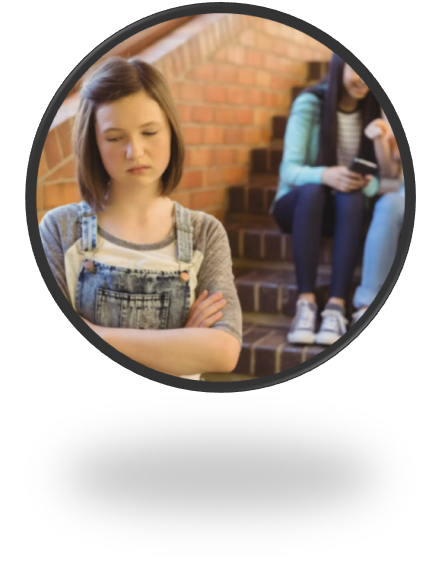
Lessons and clinics should be made a safe place for women and girls have the freedom to be completely themselves and free of judgement. Learning a new sport should give women and girls a chance to discover something new about themselves, not be a place of worry.
Coaches must never judge or put pressure on women and girls to “be the best”, instead they should create an environment that leaves them feeling accomplished and proud of what they just did.
If coaches notice any signs of bullying from one player to the other, it is important that they address this to both players privately.
Peer pressure often affects a young player’s decision making when it comes to sacrifice. We are all influenced by our peers, but in the case of young girls and teenagers, per influence is particularly strong and often a cause of extreme stress. To feel accepted, young girls often try to act and think like their peers. This peer pressure doesn’t just dictate how women and girls dress, talk, or think, but also how they act on court and their outlook on sport overall.
So, what can a coach do if they suspect a player is being peer pressured into distraction? It is important to understand that at times, young players will be influenced into making poor decisions. Coaches can support “smart squash choices” by encouraging their students to maintain a healthy balance on and off the court.
Personal issues will almost certainly affect a practice or match. Coaches that truly understand their female players will pick up on changed in behavior that are clearly expressed by mood.
In situations where something is distracting your player and stopping them from performing at their best, modify a practice so that the technical and more engaging aspects are taken away, and instead add simpler and more enjoyable exercises.
Coaches should express to their players with a follow up question like “I know it is not easy to practice when something is bothering you so I’m happy to listen if you would like me to”. This does not always mean a player is going to express her emotions, but it will reassure the player that the coach is tuned in with her emotions and cares about personal situations in her life.
Make the squash court and your presence a safe place for women and girls.
 REPORTING AN ISSUE WITH SAFESPORT: US Squash abides by the SafeSport Code for the U.S. Olympic and Paralympic Movement. Any forms of abuse can be reported by calling 833-5US-SAFE (587-7233).
As a coach, it is very difficult to stop or control how your players deal with the pressures in environments outside of the court.