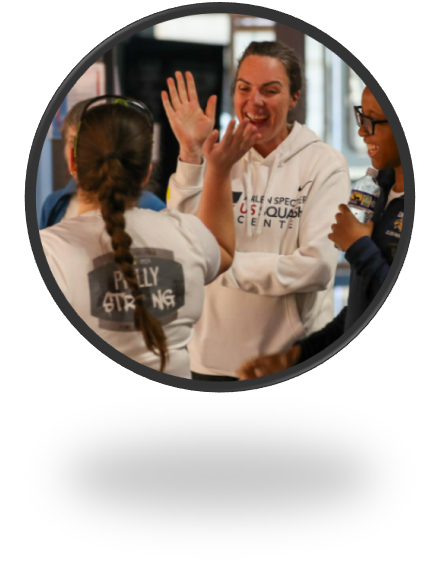
Individuals may see a person before they hear their voice. Assumptions about the speaker are made long before the first words are spoken. If body language and gestures are negative and critical, the perception is also negative and critical. This will likely set the stage for a long-term, negative relationship. The way a coach presents themselves physically is important- it lays the foundations for building a strong relation with your players and is the main form of judgement when meeting a new person for the first time.
Small movements in the lips or changes in the eyes communicate feelings, likes and dislikes, agitation, happiness, and sorrow. These powerful cues have great meaning when expressing ideas to another individual. Often these nonverbal messages have more impact than the spoken word. Other forms of nonverbal communication include physical appearance, posture, gesture, and body position.
Many times, nonverbal communication is interpreted very differently than what was originally intended. This can damage a relationship that depends so much on positive exchanges of thoughts and ideas, something women need to build success and confidence in the sporting world.
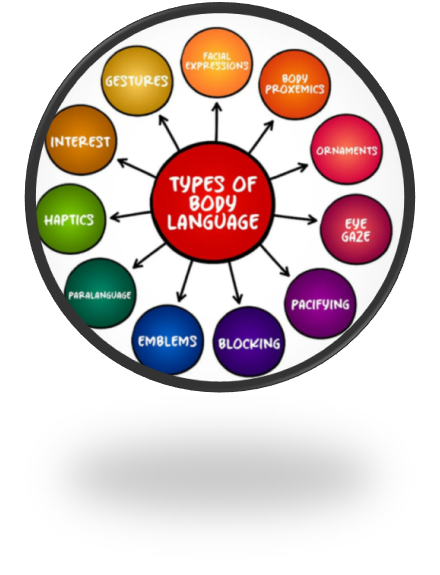
COMMON BARRIERS THAT AFFECT NONVERBAL COMMUNICATION
INATTENTION: It’s impossible for individuals to communicate effectively while multitasking. If while planning what to say next, daydreaming, checking text messages, or thinking about something else, it is almost certain they will miss nonverbal cues in the conversation. Coaches need to stay focused on the moment-to-moment experience.
MIXED BODY LANGUAGE: Inconsistent body language can be troublesome for both the speaker and the listener. Either party may assume that the inconsistencies between the spoken words and the body language could be indicative of dishonesty.
TIME OF STRESS: Recognizing if your player’s behavior is different to usual is extremely important when decided what communicative approach to take.
If your player is showing signs of stress or frustration it is important that as a coach, you give time between conversation for them to process the information as well as show body language of engagement and trust (e.g eye contact, nodding, hand movement).