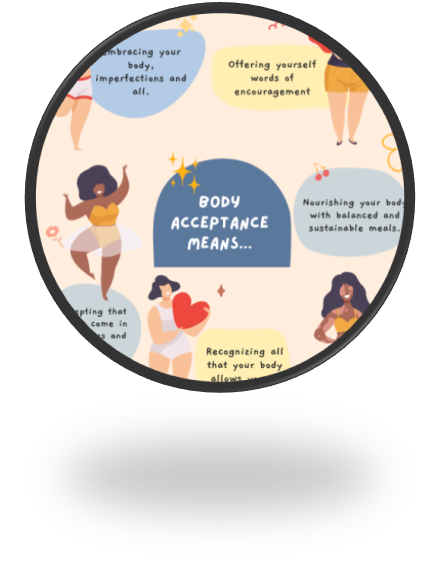
For women and girls, playing squash is empowering, it can build confidence and allow women to have individuality and identity within societies that might otherwise count them out. For some, the physical changes they notice in their bodies are what keeps them going back for more, however for others, this might be exactly the reason they stop. Body image insecurities have always been one of the biggest factors for female drop off in sports. With the pressures of social media, the idealized physiques in the media, and traits that go against “feminine”, some are more prone to dealing with destructive body image issues than others.
1 in 3 girls aged 14-16 are unhappy with their body image. Body image issues in athletes can come from a wide variety of sources: certain sports value specific weights and body types more than others, athletes will deal with puberty in different ways, and some student athletes struggle with control in other areas of their lives, which can lead to body image issues and unhealthy behaviors around food and exercise. There isn’t one specific type of young athlete who’s at risk. Anyone can struggle with body image issues, and it’s important for parents and coaches to understand the different ways that those issues can be triggered.
PERFECTION:
Unfortunately, what can make an athlete great can also contribute negatively to their body image. As a coach, be aware of what you’re saying about your body and how you treat it. Young girls will learn from the way you talk about your own body and pick up the same habits and behaviors as yourself. Focus on what your body can do and work towards that rather than how it can look.
OTHER ISSUES:
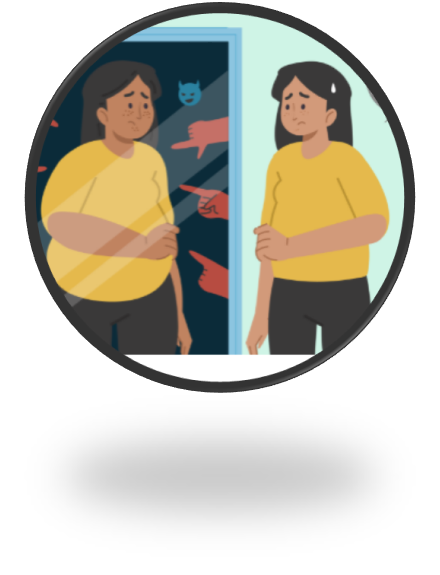
Like anyone, it is difficult to control areas in your life in times of uncertainty and change. Unfortunately, young women and girls feel that their bodies are the one “controllable” component and use their bodies to maintain some form of control, whether it’s restrictive eating or over-exercising. As a coach, body image insecurities should never be seen as ‘part of the sport’. Start by offering emotional support, not advise, and seek help for your players from an expert.
AESTHETICS
As hormones begin to shift and girls’ bodies start to change, they are more prone to experience body image issues. It can be extremely difficult and confusing to see your body change outside the sports context, especially when you are doing everything right to maintain a physique or way of looking. Coaches should understand that puberty is always going to affect uncontrollable weight change. Coaches can help provide this information and explain how they’ll be able to improve athletically because of it.
PUBERTY
In certain sports, there is a lot of pressure to look a particular way. Women and girls are constantly comparing themselves to others and how they think they need to look to be successful and accepted in the sport. While social media is making efforts to change this and professional athletes are opening up about their struggles, as a coach, you can still make a difference by giving your players access to solid nutritional sources that address meeting their goals in a healthy way.